
Eight Ways Families Can Use CareLink360 to Support a Loved One
Sep 01, 2026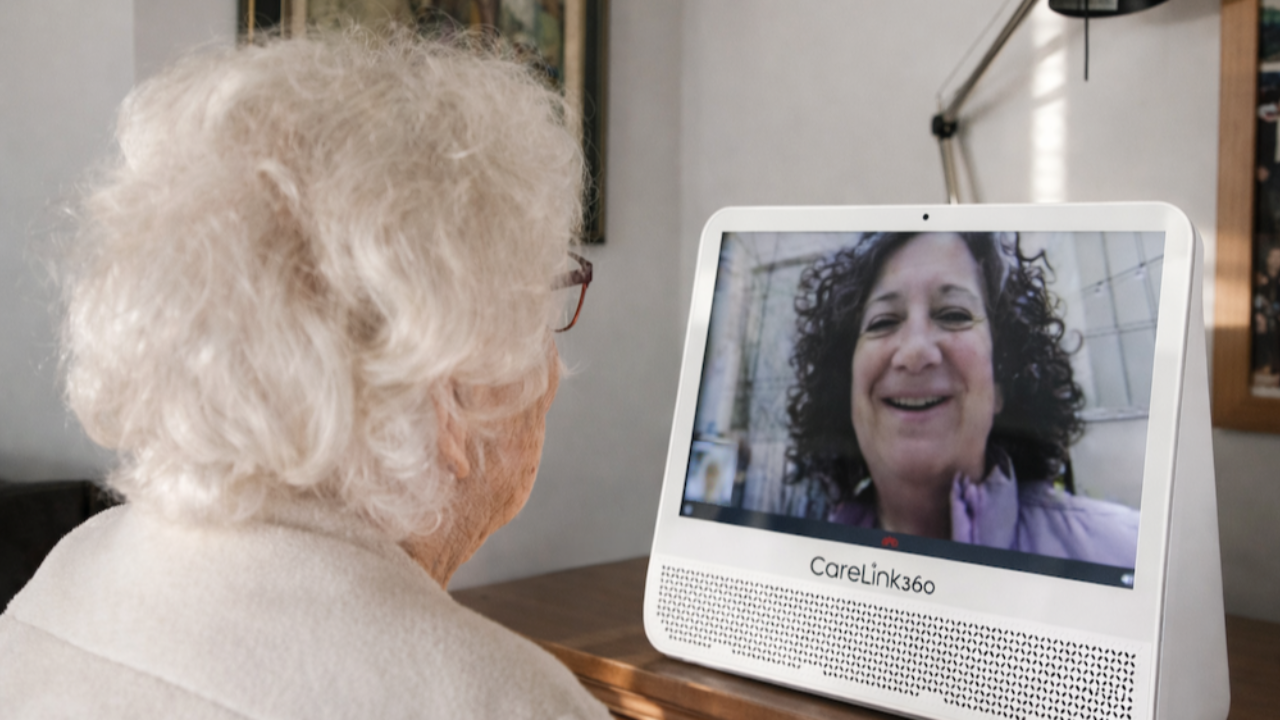
Guest Post by Paula Muller, Founder of CareLink360
Caring for someone you love who is living with dementia is a journey filled with many emotions. There can be beautiful moments of connection and joy, alongside uncertainty, worry, and the constant question: How can I help my loved one remain safe, comfortable, connected, and as independent as possible?
For many family caregivers, another question quickly follows: How can I be there for them when I cannot physically be there all the time? Technology can help—but only when it is designed around the person rather than requiring the person to adapt to it.
That philosophy is at the heart of the CareLink360® Digital Health Companion (DHC).
CareLink360 was designed to help people living with dementia remain connected to the people, routines, memories, and experiences that are meaningful to them. At the same time, it gives family caregivers and care teams practical ways to provide support from near or far—without making technology another source of frustration.
Focusing on What a Person Can Still Do
Dementia care is often described in terms of loss: what someone can no longer remember, understand, or accomplish independently. But there is another way to approach care. A habilitative, strength-based approach focuses on retained abilities and asks: What can this person still do? What brings them comfort? What feels familiar? What helps them succeed? Instead of continually challenging someone to adapt to an increasingly confusing world, we can adapt their environment and support around them.
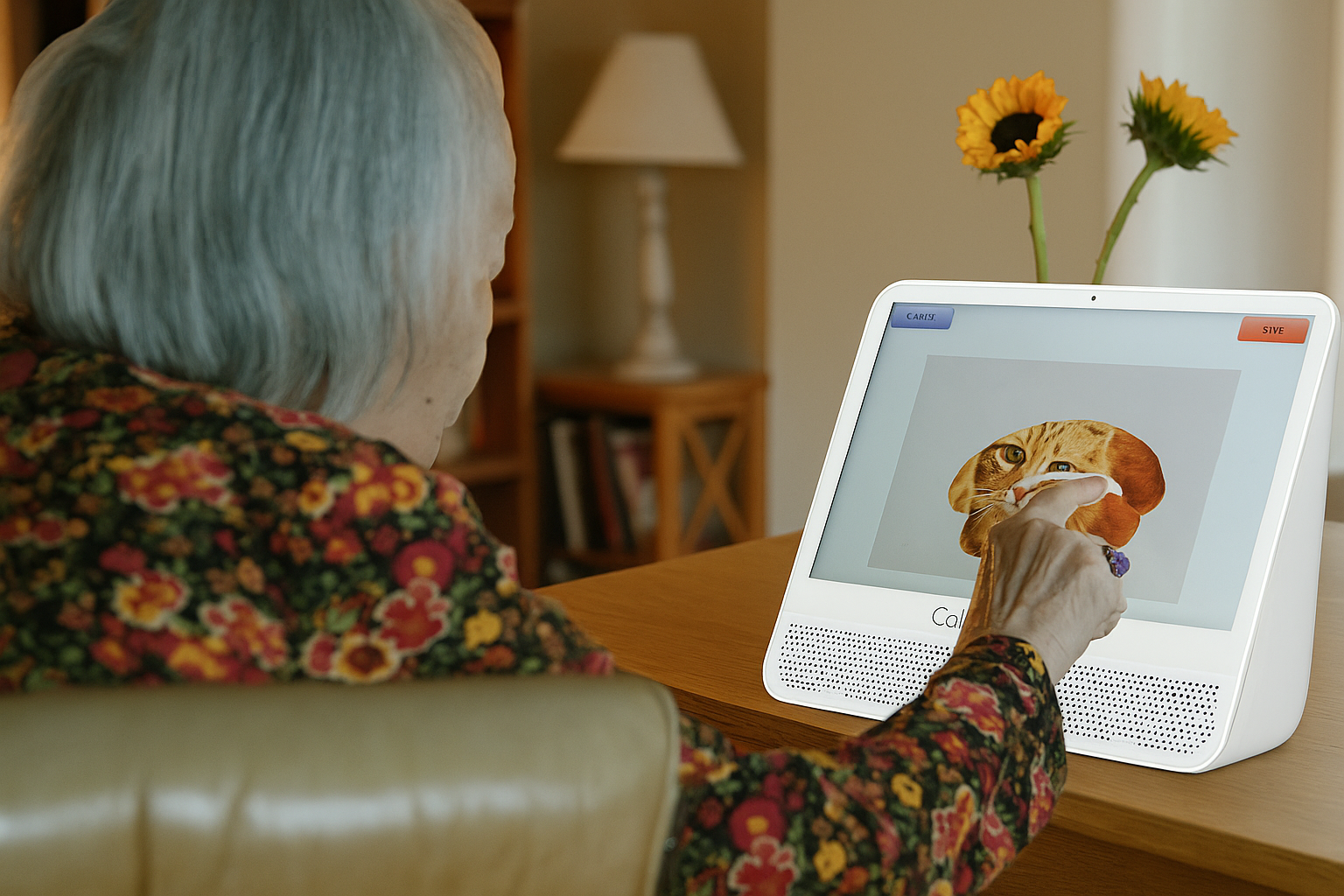
CareLink360 was developed with this philosophy in mind. The CareLink360 DHC is a dedicated 15-inch touchscreen with a built-in camera, microphone, and speakers. It was built from the ground up to be simple, approachable, and frustration-free. There are no complicated applications for the person living withdementia to manage, and the platform operates through a secure, private, encrypted network. Family members and care partners use the CareLink360 Companion App on their smartphones to remotely manage many of the interactions and experiences delivered through the DHC.This means the technology can largely be managed for the person living with dementia rather than by them.
Creating Familiarity and Continuity
Familiarity can provide tremendous comfort to someone living with dementia. A familiar photograph. A favorite song. A loved one's face. A morning routine. A reminder delivered at the right moment. These seemingly small things can become important anchors throughout the day. This can be especially valuable when a person transitions from one living environment to another. Whether moving to a family member's home, assisted living, memory care, or another setting, their CareLink360 DHC can move with them. The surroundings may have changed, but the familiar device will continue to display family photographs, play favorite music, deliver familiar reminders, and connect them with the people they love. It becomes part of the continuity of their daily life.
Eight Ways Families Can Use CareLink360 to Support a Loved One
Every person living with dementia is different. Their history, abilities, routines, interests, culture, preferences, and needs should guide the use of technology. Here are some of the ways families can personalize CareLink360 around the person they love.
1. Supporting Daily Routines
Understanding someone's established routines is an important first step. Where do they normally sit in the morning? When do they have breakfast? Where are medications kept? What activities happen naturally throughout their day? The DHC can be placed strategically in a familiar location, such as the kitchen or living room, where it naturally becomes part of daily life. When appropriate and with respect for privacy and consent, a video connection can also provide authorized care partners with useful context about how their loved one is doing. The goal is not surveillance. It is supportive awareness—providing reassurance while preserving as much autonomy and dignity as possible.
2. Simple Well-Being Checkups
Sometimes you simply want to know: How is Mom doing this morning? CareLink360 allows care partners to schedule easy well-being questions that appear directly on the DHC. For example: “How is your morning?” The person can respond by touching a happy, neutral, or sad face. Their care partner receives the response through the Companion App.
Another question might be: “How comfortable are you right now?” A response that differs from the typical may provide an opportunity to connect and determine whether additional support is needed. These simple interactions can help families remain present in someone's life without requiring a telephone call every time they want to check in.
3. Medication, Appointment, and Safety Reminders
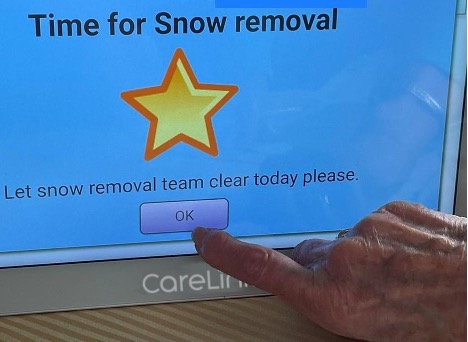
Remembering what needs to happen next can become increasingly difficult with dementia. CareLink360 allows caregivers to remotely schedule personalized reminders that appear prominently on the DHC screen, accompanied by an audible chime, and remain visible until acknowledged. A reminder might say: “It is time for your eye drops.” Another might remind someone about a familiar activity, appointment, meal, or other part of their care routine. Reminders can also respond to changing circumstances. If icy conditions make someone's usual outdoor trip unsafe, a family caregiver can provide a timely safety message. The acknowledgment is recorded, giving the caregiver additional information without requiring another phone call.
4. Easy YES/NO Check-Ins
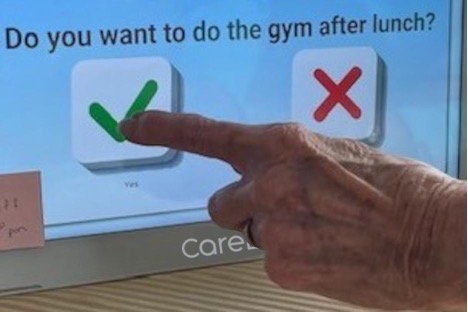
Questions do not always need complicated answers. CareLink360 can present straightforward YES/NO questions that a person can answer with a simple touch. For example: “Are you having a good day?” If the answer is “NO,” the caregiver can follow up with a video visit, helping turn a simple response into meaningful human connection.Technology should never replace compassionate caregiving. Its greatest value may be helping us recognize when that human connection is needed most.
5. Bringing Joy and Comfort Through Music
Music has an extraordinary ability to connect us to memories, emotions, identity, and one another. CareLink360 includes music and other personalized content that caregivers can incorporate into a loved one's day. Families can also select content meaningful to that particular person—perhaps Big Band music, songs from Ireland, favorite spiritual music, or music associated with important periods of their life. Rather than simply providing entertainment, music can become part of a personalized care strategy. A favorite music playlist in the morning may help set a positive tone for the day. Calming music later in the afternoon may help create a more peaceful environment. The important question is always: What is meaningful to this person?
6. Coordinating With Professional Caregivers
Many family caregivers rely on home care aides, companions, or other members of a care team. CareLink360 can help reinforce the person's care routine by delivering reminders and scheduled activities while a caregiver is present. This creates another layer of continuity between family caregivers, professional caregivers, and the person receiving care.Instead of technology operating separately from caregiving, it becomes a tool that helps everyone work toward the same goal: supporting the individual's well-being and quality of life.
7. Keeping Family Close
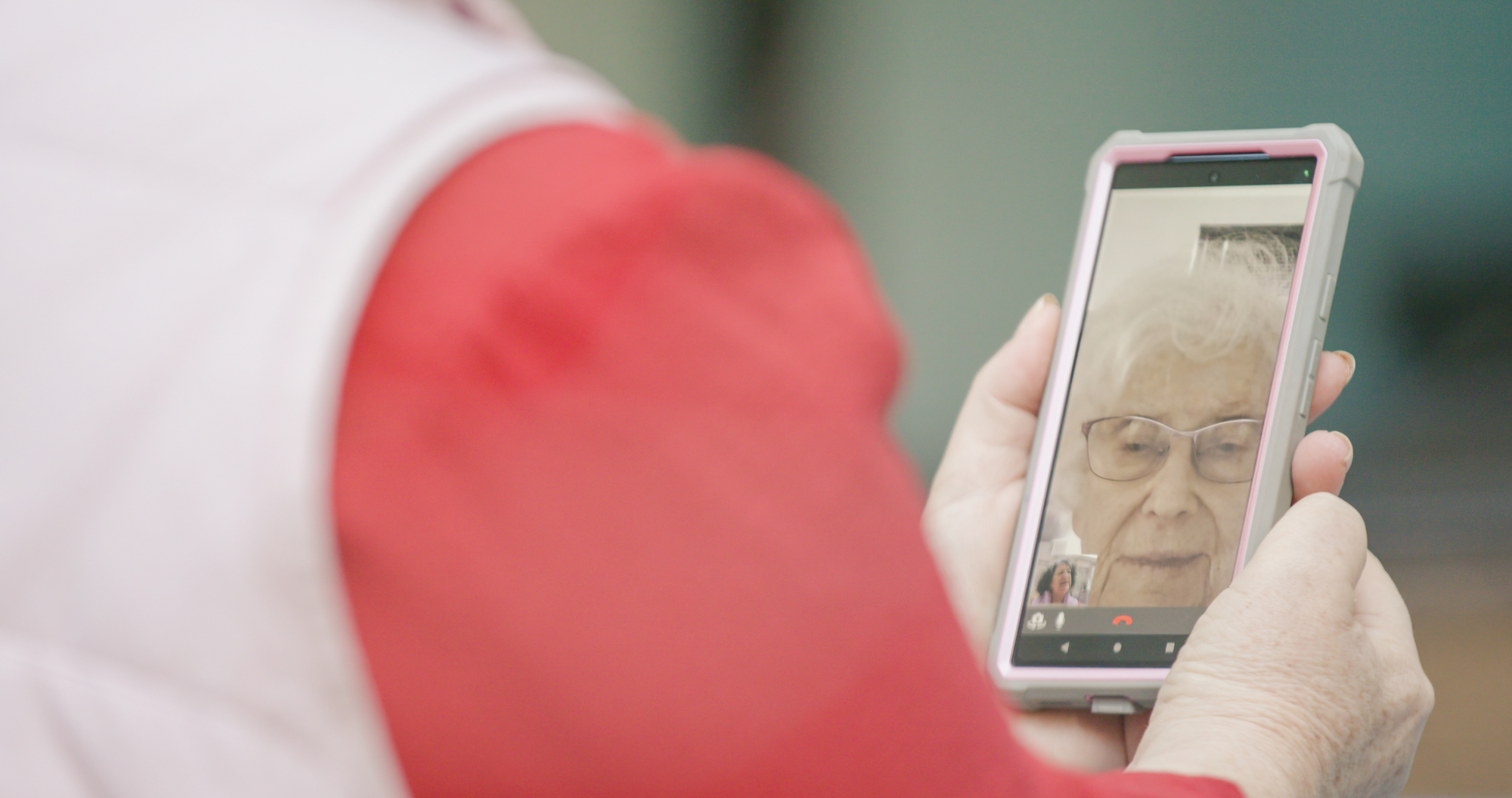
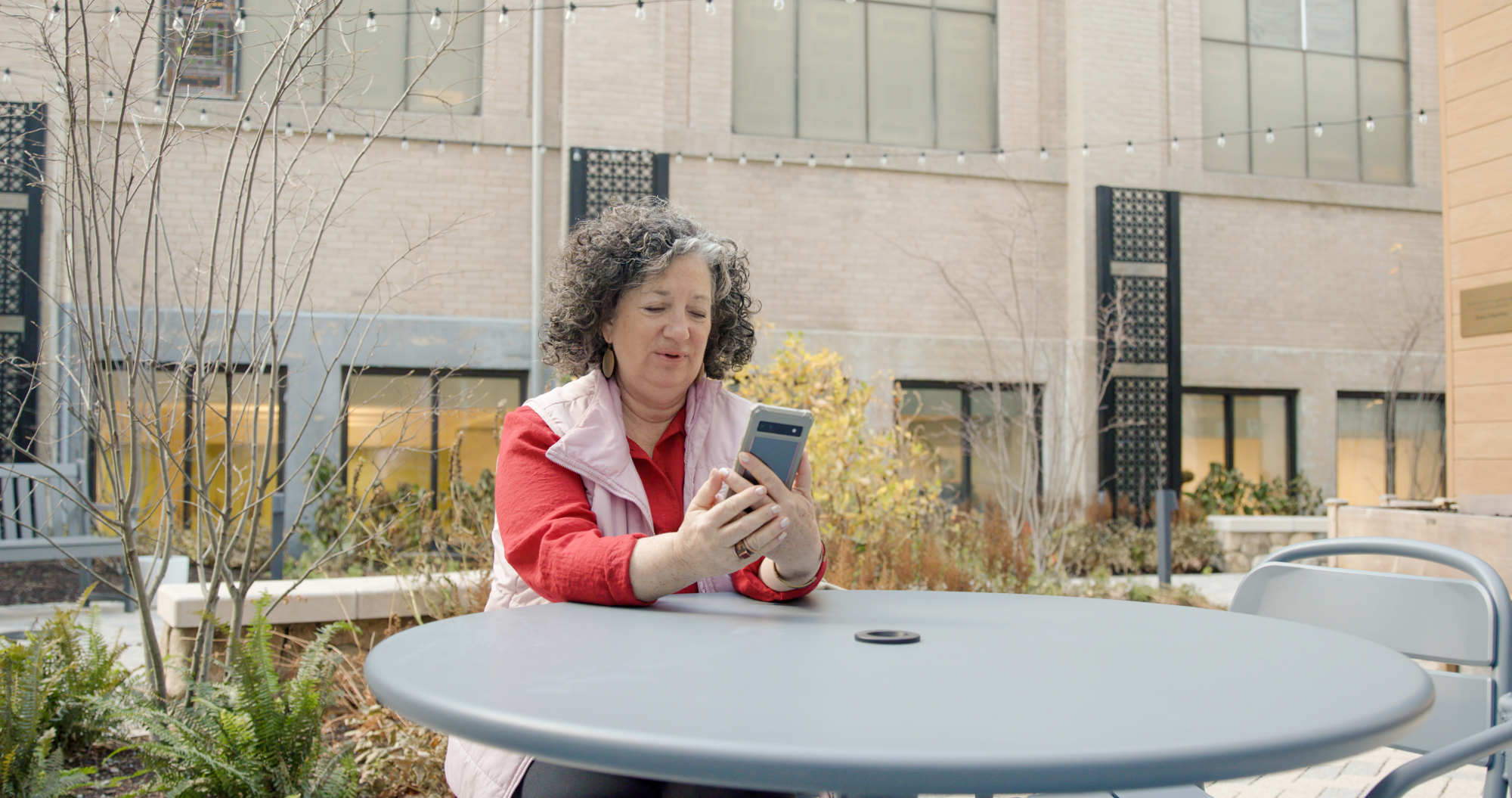
Dementia should not mean disconnection from family life. Through the CareLink360 Companion App, family members can send photographs and videos directly to their loved one's DHC. Imagine seeing photographs of a new grandchild, a graduation, a family vacation, a birthday celebration—or treasured photographs from decades ago. These images can create opportunities for reminiscence, conversation, recognition, comfort, and joy. CareLink360 also enables video visits, allowing loved ones to remain present even when geography makes frequent in-person visits difficult. For a family caregiver living across town—or across the country—that connection can be invaluable.
8. Building a Predictable, Reassuring Routine
Routine can provide an important sense of security for someone living with dementia. Regular mealtimes, familiar activities, music, family visits, reminders, cognitive stimulation, and rest periods can create structure in a day that might otherwise feel increasingly unpredictable. CareLink360 allows families to schedule these supportive interactions throughout the day. Over time, the DHC can become a familiar presence associated not simply with “technology,” but with family, routine, reassurance, and connection.
Supporting the Caregiver, Too
Dementia affects the entire family. Family caregivers frequently carry an invisible mental checklist: Did Dad remember his medication? Is Mom awake? Is she having a good day? Did she remember her appointment? Is she lonely? Should I call? Should I drive over?
That constant uncertainty can be exhausting. CareLink360 cannot eliminate the challenges of dementia caregiving, nor is it intended to replace in-person care, professional assessment, or emergency services. What it can do is give caregivers additional ways to stay connected, provide structure, deliver personalized support, and help them understand how their loved one is doing.Sometimes peace of mind comes from something very simple: receiving a response to a morning check-in, seeing that a reminder was acknowledged, sharing a photograph, or having a spontaneous face-to-face conversation without needing to be in the same room.
Technology Should Strengthen Human Connection, Not Replace It
Perhaps the most important principle behind CareLink360 is that dementia-supportive technology should never be about technology alone.
It should be about the person.
Their favorite music.
Their family photographs.
Their routines.
Their abilities.
Their history.
Their culture.
Their faith and spirituality.
The voices and faces that bring them comfort.
And the people who love them.
By combining compassionate caregiving with thoughtfully designed technology, families can create an environment that focuses not only on safety and care needs, but also on dignity, autonomy, emotional security, engagement, and joy. A person may be living with dementia, but they are still living—with strengths to recognize, relationships to nurture, preferences to honor, and meaningful moments yet to experience. At CareLink360, that is what we want technology to support. Because changing the way the world ages begins by helping every person remain connected to the people, experiences, and moments that make life meaningful.
About CareLink360®
At CareLink360, our mission is to Change The Way The World Ages by being the global leader in assisting aging adults, their caregivers, families, and extended care teams with solutions. Our ecosystem supports and enhances the aging journey, even for those experiencing cognitive decline. We also work with and help our customers and partners deliver high-quality, person- and patient-centered care across the care continuum through our integrated, patented, and easy-to-use Digital Health Companion. We strive to mitigate the global epidemic of isolation and loneliness affecting people of all ages, races, genders, and socioeconomic backgrounds. To learn more, please visit mycarelink360.com


